Home improvement tips for every homeowners journey

Home Improvement Basics

Home improvement tips – Home improvement is an essential skill for every homeowner. Knowing how to tackle basic repairs not only saves money but also empowers you to create a more comfortable living space. Equipped with the right tools and knowledge, you can confidently address common issues around your home.

Essential Tools for Homeowners

Having the proper tools is crucial for any home improvement project. Here’s a list of essential tools every homeowner should keep on hand:

  • Hammer: Useful for driving nails into wood and other materials.
  • Screwdriver Set: A varied set with flat and Phillips heads for all types of screws.
  • Pliers: Ideal for gripping, twisting, and cutting wires.
  • Measuring Tape: Essential for accurate measurements before cutting or building.
  • Utility Knife: Perfect for cutting various materials, including drywall and tape.
  • Drill: A power tool for making holes or driving screws with ease.
  • Level: Ensures that your projects are straight and balanced.
  • Stud Finder: Helps locate wooden beams behind walls for secure mounting.

Step-by-Step Procedures for Common Home Repairs

Understanding how to execute basic repairs can save you from costly professional help. Here’s how to fix a leaky faucet and patch a wall:

Fixing a Leaky Faucet

  • Turn off the water supply.
  • Remove the faucet handle by unscrewing it.
  • Take out the cartridge or washer to identify the damaged part.
  • Replace the damaged component with a new one.
  • Reassemble the faucet and turn the water back on.

Patching a Wall

  • Clean the damaged area and remove any loose material.
  • Apply patching compound with a putty knife, filling the hole or crack.
  • Smooth the surface evenly, feathering the edges.
  • Allow it to dry, then sand the area until smooth.
  • Paint over the patched area to match the wall.

Safety Tips for Home Improvement Tasks

Safety should always be your top priority during home improvement tasks. Here are some tips to keep in mind:

  • Always wear safety goggles when working with tools.
  • Use gloves to protect your hands from sharp edges and chemicals.
  • Ensure proper ventilation when using paints or solvents.
  • Read the instructions for all tools and materials before use.
  • Keep children and pets away from your work area.

DIY Projects

DIY projects can be both fun and fulfilling, elevating your home’s appearance while allowing you to express your creativity. This section explores simple projects that will enhance your living space and offers innovative ideas for reusing materials.

Simple DIY Projects to Enhance Home Aesthetics

Undertaking DIY projects can significantly improve the look of your home. Here are some projects that are easy to accomplish:

  • Accent Wall: Choose a bold color or wallpaper to create a stunning feature wall.
  • Framed Artwork: Create a gallery wall by framing your favorite photos or artwork.
  • Planter Boxes: Build wooden planter boxes for your indoor plants to add life to your spaces.
  • Lighting Fixtures: Update old light fixtures with new designs to enhance ambiance.

Repurposing Old Furniture

Instead of discarding old furniture, consider these innovative ideas for repurposing:

  • Old Dressers: Transform them into kitchen islands or bathroom vanities.
  • Suitcases: Create a unique side table or open shelving unit.
  • Wooden Pallets: Use them to build outdoor furniture or garden planters.

Creating Custom Shelving or Storage Solutions

Custom shelving can be a great way to maximize space and keep your home organized. Here’s a simple guide:

  • Choose a location and measure the space.
  • Select your materials, such as wood or metal brackets.
  • Cut the shelving boards to your desired length.
  • Install brackets securely into the wall studs.
  • Place the shelves on the brackets and secure them in place.

This can turn any unused wall into a functional storage area.

Sustainable Home Improvements

Choosing eco-friendly materials and making sustainable upgrades not only benefits the environment but also enhances the quality of your home. This section covers sustainable practices for home renovations.

Eco-Friendly Materials and Their Benefits

Using sustainable materials can significantly reduce your environmental footprint. Some eco-friendly materials include:

  • Bamboo: A fast-growing, renewable resource ideal for flooring and cabinetry.
  • Recycled Glass: Used in countertops and tiles, reducing landfill waste.
  • Low-VOC Paints: Minimize harmful emissions while still providing vibrant color.
  • Reclaimed Wood: Perfect for flooring, furniture, and decorative elements.

Energy-Efficient Upgrades

Implementing energy-efficient upgrades can lower your utility bills while promoting sustainability. Consider these options:

  • LED Lighting: These bulbs consume less energy and last longer than incandescent bulbs.
  • Smart Thermostats: Help regulate heating and cooling based on your habits.
  • Insulation Improvements: Upgrade insulation to reduce heating and cooling costs.

Sustainable Landscaping Improvements

Landscaping can also promote sustainability. Here are some ideas:

  • Xeriscaping: Use drought-resistant plants to minimize water usage.
  • Native Plants: Plant species that thrive in your area to reduce maintenance.
  • Rain Gardens: Design areas to collect rainwater, improving drainage and reducing runoff.

Interior Design Tips

Interior design plays a crucial role in creating a home that reflects your personal style while maintaining functionality. This section provides practical tips on color selection, furniture arrangement, and current design trends.

Selecting the Right Color Palette, Home improvement tips

Choosing the right colors can transform the mood of a room. Consider these techniques:

  • Consider Lighting: Test paint colors under different lighting conditions to see their true appearance.
  • Use the 60-30-10 Rule: Allocate 60% of the room to a dominant color, 30% to a secondary color, and 10% to an accent color.
  • Complementary Colors: Use colors opposite each other on the color wheel for a balanced look.

Maximizing Small Spaces

Effective furniture arrangement can make small spaces feel larger. Here’s how to do it:

  • Choose multi-functional furniture, like ottomans with storage.
  • Arrange furniture away from walls to create flow.
  • Use mirrors to reflect light and create the illusion of space.

Trending Interior Design Styles
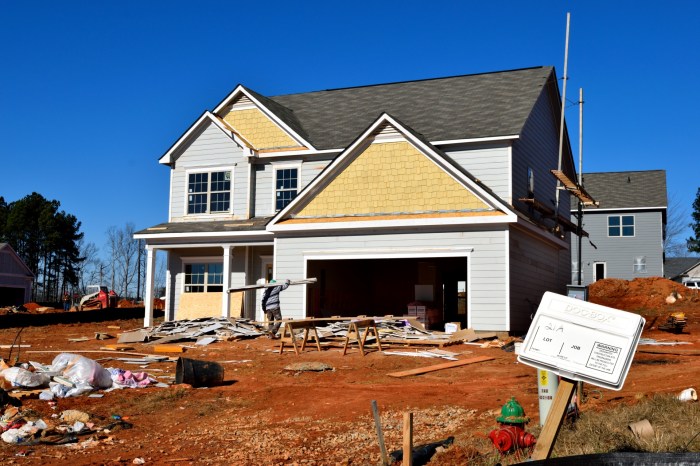
Home improvement tips

Staying current with design trends can help maintain your home’s appeal. Here are some popular styles to consider:

  • Minimalism: Focuses on simplicity and functionality, using a neutral palette.
  • Bohemian: Combines vibrant colors, patterns, and textures for a relaxed feel.
  • Industrial: Incorporates raw materials like metals and woods for a modern look.

Seasonal Maintenance

Regular seasonal maintenance is essential for prolonging the life of your home and preventing costly repairs. This section Artikels important tasks to keep your home in top condition throughout the year.

Seasonal Maintenance Checklist

Creating a checklist for seasonal maintenance can help ensure you don’t overlook important tasks. Here are key items to include:

  • Spring: Check gutters, service the HVAC system, and inspect the roof for damage.
  • Summer: Prepare outdoor spaces, check for insect infestations, and maintain the lawn.
  • Fall: Clean gutters, inspect windows and doors for drafts, and winterize outdoor faucets.
  • Winter: Check heating systems, inspect insulation, and keep walkways clear of snow and ice.

Importance of Regular Inspections

Conducting regular inspections on your roof and siding can prevent major issues. Here’s what to look for:

  • Inspect for missing or damaged shingles on the roof.
  • Look for cracks or peeling in the siding, which may indicate moisture intrusion.
  • Check for signs of mold or rot around windows and doors.

Preparing for Different Seasons

Seasonal preparations are essential for protecting your home. Consider these tips:

  • Weatherproofing: Seal gaps around windows and doors to prevent drafts.
  • Inspect Heating Systems: Ensure your furnace is serviced before the cold months.
  • Outdoor Maintenance: Store patio furniture and clear gutters before winter.

Budgeting for Home Improvements: Home Improvement Tips

Creating a budget for home improvement projects helps prioritize needs and manage expenses effectively. This section discusses strategies for budgeting and offers tips for cost-effective alternatives.

Creating a Realistic Budget

A well-thought-out budget is crucial for successful renovations. Here are some strategies:

  • Assess the condition of your home and identify areas in need of improvement.
  • Research costs for materials and labor in your area to get accurate estimates.
  • Include a contingency fund of 10-20% for unexpected expenses.

Cost-Effective Alternatives

Finding alternatives to popular products can save money without sacrificing quality. Consider these options:

  • Refurbished Items: Look for refurbished appliances or furniture to cut costs.
  • DIY Solutions: Embrace DIY for smaller projects to reduce labor costs.
  • Second-Hand Materials: Source materials from local reuse centers or online marketplaces.

Prioritizing Home Improvement Projects

When on a budget, it’s important to prioritize projects. Here’s how to determine what to tackle first:

  • Focus on repairs that affect safety or structural integrity first.
  • Consider projects that will increase your home’s value significantly.
  • Evaluate projects based on necessity versus enhancement to make informed decisions.

Hiring Professionals

Sometimes, hiring professionals is the best way to ensure quality results in your home improvement projects. This section provides insights on what to consider when hiring contractors.

Key Questions to Ask Contractors

When interviewing potential contractors, ask the following questions to gauge their suitability:

  • What is your experience with projects similar to mine?
  • Can you provide references from previous clients?
  • What is your estimated timeline for completion?
  • How do you handle changes or issues that arise during the project?

Obtaining Quotes and Comparing Services

Getting multiple quotes can help you understand market rates. Here’s how to proceed:

  • Contact at least three contractors for quotes.
  • Ensure each quote includes a detailed breakdown of costs.
  • Compare not just the prices, but also the services offered in each quote.

Evaluating Credentials and Reviews

Checking a contractor’s credentials and reviews is essential for ensuring quality work. Consider these steps:

  • Verify licenses and insurance to protect yourself from liability.
  • Read online reviews and testimonials from previous clients.
  • Ask for a portfolio of completed projects to assess their quality of work.

Home improvement pilot program for better living

Overview of Home Improvement Pilot

Home improvement pilot programs serve as a testing ground for innovative ideas aimed at enhancing residential spaces. These programs help identify effective strategies for upgrading homes while providing valuable insights into community needs. By initiating a home improvement pilot, stakeholders can evaluate the feasibility of new concepts before wider implementation.The primary objective of a home improvement pilot is to assess the impact of specific renovations or upgrades on both the property value and the community’s overall well-being.

Goals may include increasing energy efficiency, enhancing aesthetic appeal, or improving residents’ quality of life. Successful examples of home improvement pilots include energy-efficient retrofitting projects in urban neighborhoods and community-led beautification initiatives.

Key Components of a Home Improvement Pilot

Planning a home improvement pilot requires several essential components to ensure its success. These elements include:

  • Clear Objectives: Establish specific goals and measurable outcomes for the pilot.
  • Stakeholder Involvement: Engage community members, local government, and contractors to gather diverse perspectives.
  • Budget Planning: Prepare a detailed budget and explore funding sources, such as government grants or private investments.

Involving stakeholders is crucial as their insights promote transparency and community support. Likewise, budget considerations must account for all potential expenses, including materials, labor, and unforeseen costs.

Steps to Implement a Home Improvement Pilot

Implementing a home improvement pilot involves a systematic approach to ensure smooth execution. The process typically includes the following phases:

  • Planning and Design: Define the scope of work and design parameters based on community input.
  • Timeline Development: Create a comprehensive timeline detailing each project phase, from planning to completion.
  • Execution and Management: Organize necessary tasks, delegate responsibilities, and monitor progress to ensure adherence to the timeline.

A well-structured timeline helps keep the project on track, while organized task management can prevent potential delays.

Evaluation and Metrics of Success, Home improvement pilot

Assessing the effectiveness of a home improvement pilot is vital to understand its impact. Evaluation methods may include:

  • Surveys and Feedback: Collect data from participants to gauge satisfaction and identify areas for improvement.
  • Key Performance Indicators (KPIs): Utilize metrics such as energy savings, property value increase, or community engagement levels to measure success.
  • Follow-Up Assessments: Conduct periodic evaluations post-implementation to assess long-term effects and sustainability.

Feedback mechanisms, such as community forums or online surveys, provide insights into participants’ experiences and perceptions, enhancing future project planning.

Challenges and Solutions in Home Improvement Pilots

Home improvement pilots often face various challenges that require proactive solutions. Common obstacles include:

  • Community Resistance: Address concerns and promote the benefits of the pilot through effective communication and involvement.
  • Budget Overruns: Implement strict budget monitoring practices and adjust project scopes as necessary to stay within budget.
  • Logistical Issues: Develop contingency plans to manage unforeseen delays or resource shortages effectively.

Risk management practices should be in place to anticipate potential setbacks and mitigate their impact on the project’s progress.

Community Engagement and Impact

Community involvement plays a pivotal role in the success of home improvement pilots. Engaging residents fosters a sense of ownership and encourages participation, which can significantly enhance the project’s acceptance. Techniques for promoting awareness include:

  • Outreach Programs: Organize community meetings and workshops to educate residents about the pilot’s objectives and benefits.
  • Social Media Campaigns: Leverage digital platforms to reach a wider audience and encourage active participation.
  • Partnerships with Local Organizations: Collaborate with community groups to broaden outreach and gather support.

Successful home improvement pilots can yield long-term benefits, such as increased property values, improved neighborhood aesthetics, and enhanced community cohesion.

Future Trends in Home Improvement Pilots

Home improvement pilot

Emerging trends and technologies are shaping the future of home improvement pilots. Key areas of focus include:

  • Sustainability Practices: Integrating eco-friendly materials and energy-efficient systems in home renovations.
  • Smart Home Technologies: Incorporating IoT devices to enhance home security and energy management.
  • Demographic Shifts: Adapting pilot programs to meet the needs of diverse communities, including aging populations and young families.

As societal needs evolve, home improvement initiatives must adapt to incorporate these trends, ensuring relevance and effectiveness in future projects.

the home improvement Essentials for Every Homeowner

Home Improvement Basics

The home improvement – Home improvement is a crucial aspect of maintaining and enhancing the value of your property. Whether you’re looking to sell your house or simply want to create a more enjoyable living space, understanding the fundamentals of home improvement can make a significant difference. In this section, we will cover the essential concepts, common misconceptions, and necessary tools for any home improvement enthusiast.

Importance of Home Improvement

Home improvement plays a vital role in increasing your property value. Smart renovations can yield a high return on investment (ROI), making your home more attractive to potential buyers. It’s not just about aesthetics; well-executed projects can improve functionality and energy efficiency as well.

Common Misconceptions

There are several misconceptions surrounding home improvement projects. For instance, many believe that all renovations will automatically lead to increased property value, which is not always true. It’s important to choose projects wisely and consider local market trends. Additionally, some homeowners think that DIY projects are always cheaper, but when mishaps occur, it can lead to higher costs in the long run.

Essential Tools and Materials

Before embarking on any home improvement task, having the right tools is essential. Basic tools needed include:

  • Hammer
  • Screwdriver set
  • Measuring tape
  • Pliers
  • Level

In addition to tools, having quality materials such as paint, nails, and screws is important for the success of your projects.

Popular Home Improvement Projects

Beginner-friendly home improvement projects can significantly enhance your living space without requiring professional assistance. Knowing which projects to tackle first can make the process enjoyable and rewarding.

Top Home Improvement Projects

Some of the most popular projects include:

  • Painting interior walls
  • Updating light fixtures
  • Installing new flooring
  • Creating an outdoor patio
  • Landscaping the yard

These projects not only refresh your home but can also make it more appealing to guests.

DIY Projects for Curb Appeal

Curb appeal is essential for making a good first impression. Here are some DIY projects that enhance it:

  • Planting colorful flower beds
  • Installing new house numbers
  • Painting the front door
  • Adding outdoor lighting

These simple improvements can elevate the exterior of your home.

Benefits of Kitchen Renovations

The kitchen is often considered the heart of the home, and renovating it can provide numerous benefits. Modernizing your kitchen can improve functionality and aesthetics, making cooking and entertaining more enjoyable. Additionally, updated kitchens typically yield high returns on investment, making it a worthwhile endeavor.

Budgeting for Home Improvement

Creating a budget for home improvement projects is crucial to ensure financial stability while enhancing your home. A well-planned budget can help you prioritize projects effectively.

Steps to Create a Home Improvement Budget

To start, assess your financial situation and determine how much you can afford to spend. Next, Artikel your planned projects and estimate costs for materials and labor. Track your expenses to stay within budget.

Cost-Saving Tips for Renovation

Here are some practical tips to save money on renovations:

  • Do it yourself where possible
  • Shop sales and use coupons for materials
  • Consider second-hand or reclaimed materials
  • Plan projects during off-peak seasons

Implementing these tips can help you achieve your renovation goals without overspending.

Prioritizing Home Improvement Projects

Identify which projects are essential based on your budget. Focus on improvements that provide the most significant impact, such as fixing structural issues or updating outdated systems.

Hiring Professional Help

Sometimes, hiring professionals is the best route for certain home improvement projects. Understanding how to select a contractor is key to ensuring a successful collaboration.

Selecting a Contractor

Begin by researching local contractors and reading reviews. Ask friends and family for recommendations. Once you have a shortlist, check their credentials and licenses.

Key Questions for Potential Contractors

When interviewing contractors, ask about:

  • Their experience with similar projects
  • Project timelines and deadlines
  • Warranties and guarantees on work
  • How they handle unexpected issues

These questions can help you gauge their professionalism and suitability for your project.

Evaluating Estimates and Proposals

When reviewing estimates, consider not only the cost but also what is included. Pay attention to the quality of materials and the time frame for completion. Don’t hesitate to ask for clarification on any ambiguous points.

Sustainable Home Improvement

Incorporating sustainability into your home improvement projects is beneficial for both the environment and your wallet. Eco-friendly renovations can lead to significant savings in energy costs.

Eco-Friendly Materials and Designs

Using sustainable materials such as bamboo flooring, recycled glass tiles, and low-VOC paints can enhance your home while reducing your ecological footprint. These materials are increasingly available and can add a modern touch to your renovation.

Benefits of Energy-Efficient Upgrades

Upgrading to energy-efficient appliances and insulation can drastically reduce utility bills. Additionally, many energy-efficient upgrades may qualify for tax credits or rebates, providing further financial incentives.

Incorporating Sustainability

To incorporate sustainability into your home improvement projects, consider:

  • Utilizing natural light
  • Implementing water-saving fixtures
  • Planting native landscaping

These strategies not only promote environmental stewardship but also create a healthier living environment.

Seasonal Home Improvement Tips: The Home Improvement

Maintaining your home throughout the seasons is essential for longevity and comfort. A seasonal checklist can help you stay organized and proactive.

Seasonal Checklist for Maintenance

The home improvement

Each season brings unique requirements for home care. Here’s a general checklist:

  • Spring: Inspect the roof and clean gutters
  • Summer: Service air conditioning units
  • Fall: Winterize outdoor faucets
  • Winter: Check insulation and heating systems

Regular maintenance can prevent costly repairs down the line.

Impact of Weather on Projects

Weather can significantly impact the feasibility and timing of various home improvement projects. For example, exterior painting is best done in dry, mild temperatures, while roofing projects should avoid rainy seasons. Planning around seasonal weather patterns can ensure successful completion.

Seasonal Decorations with Functionality

Incorporating seasonal decorations that also serve a functional purpose can enhance your home’s appeal. For instance, using cozy throws and pillows in winter not only adds warmth but also style.

Safety in Home Improvement

Prioritizing safety during home improvement projects is essential. Taking the right precautions can prevent injuries and ensure a smooth process.

Essential Safety Measures

Always wear protective gear such as gloves, goggles, and masks when working on projects. Additionally, ensure your workspace is well-ventilated, especially when using paints or solvents.

Common Safety Hazards

Some common hazards include:

  • Falling from heights while working on roofs or ladders
  • Electric shock when working with wiring
  • Inhalation of toxic fumes from paints and solvents

Identifying and mitigating these hazards can keep you safe during your projects.

Importance of Protective Gear

Using appropriate protective gear is vital for your safety. Helmets, knee pads, and eye protection should be standard for any home improvement task, regardless of how small it might seem.

Trends in Home Improvement

Staying updated on the latest home improvement trends can help you make informed decisions and keep your home looking contemporary.

Latest Trends in Home Design

Current trends include open floor plans, natural materials, and minimalistic designs. These trends focus on creating spacious, inviting environments that incorporate nature.

Rise of Smart Home Technology, The home improvement

Smart home technology is rapidly gaining popularity, with devices that enhance convenience, security, and energy efficiency. From smart thermostats to automated lighting systems, these technologies are revolutionizing how we interact with our homes.

Popular Color Schemes and Design Themes

Trendy color schemes such as soft earth tones and bold accent colors are popular in contemporary homes. Combining these colors with modern design elements can create a cohesive and stylish look, enhancing your living space.